Refrigerant recovery machine – how to choose one and recover refrigerant safely
A refrigerant recovery machine, often simply called a recovery unit, transfers refrigerant from the system into a recovery cylinder. Which model you choose depends mainly on the size of the systems you work on, the refrigerants involved and whether you expect oil in the refrigerant.

- For typical air conditioning service a lighter machine is enough, while on larger systems liquid recovery rate and Push/Pull matter most.
- Versions with an oil separator are useful when recovering from systems where the refrigerant carries oil.
- A charging scale with a solenoid valve and charging hoses with shut-off valves make it easier to control the mass and reduce refrigerant loss.
What a refrigerant recovery machine is used for
A recovery machine draws refrigerant from the system and pumps it into a recovery cylinder. You use it before a repair that requires opening the circuit, when decommissioning a unit, replacing a compressor or when the system charge has to be replaced. Wipcool MRM series recovery machines have an oil-free, air-cooled piston compressor, a 230 V power supply and automatic cut-out at 38.5 bar, and operate at ambient temperatures of 0–40 °C.
Vapour recovery, liquid recovery and the Push/Pull method
Recovery rates are given separately for three operating modes. Vapour recovery is the slowest, liquid recovery is considerably faster and the Push/Pull method gives the highest rate. Push/Pull is used on large systems containing more than 10 kg of liquid refrigerant – the machine then pushes the liquid from the system into the cylinder. The figures also differ depending on the refrigerant group (III, IV or V), so when comparing models, compare data for the same group.
Refrigerants handled by MRM recovery machines
All four machines handle group III–V refrigerants, including A2L refrigerants. For an air conditioning engineer, these are the key examples from each group:
- group III – including R134a and R1234yf,
- group IV – including R407C and R402B,
- group V – including R410A, R32 and R404A.
MRM55 and MRM75 comparison
| Parameter | MRM55 | MRM55os | MRM75 | MRM75os |
|---|---|---|---|---|
| Vapour recovery (group V) | 0.25 kg/min | 0.25 kg/min | 0.7 kg/min | 0.7 kg/min |
| Liquid recovery (group V) | 2.2 kg/min | 2.2 kg/min | 3.9 kg/min | 3.9 kg/min |
| Push/Pull (group V) | 6.5 kg/min | 6.5 kg/min | 10.5 kg/min | 10.5 kg/min |
| Motor power | 550 W | 550 W | 970 W | 970 W |
| Current (max.) | 4 A | 4 A | 6.5 A | 6.5 A |
| Oil separator | Without separator | With separator | Without separator | With separator |
| Dimensions (L × W × H, mm) | 259 × 235 × 390 | 259 × 235 × 390 | 386 × 255 × 276 | 386 × 255 × 276 |
| Net weight | 9.5 kg | 9.5 kg | 11.6 kg | 11.6 kg |
MRM55 and MRM55os – lighter machines for everyday service
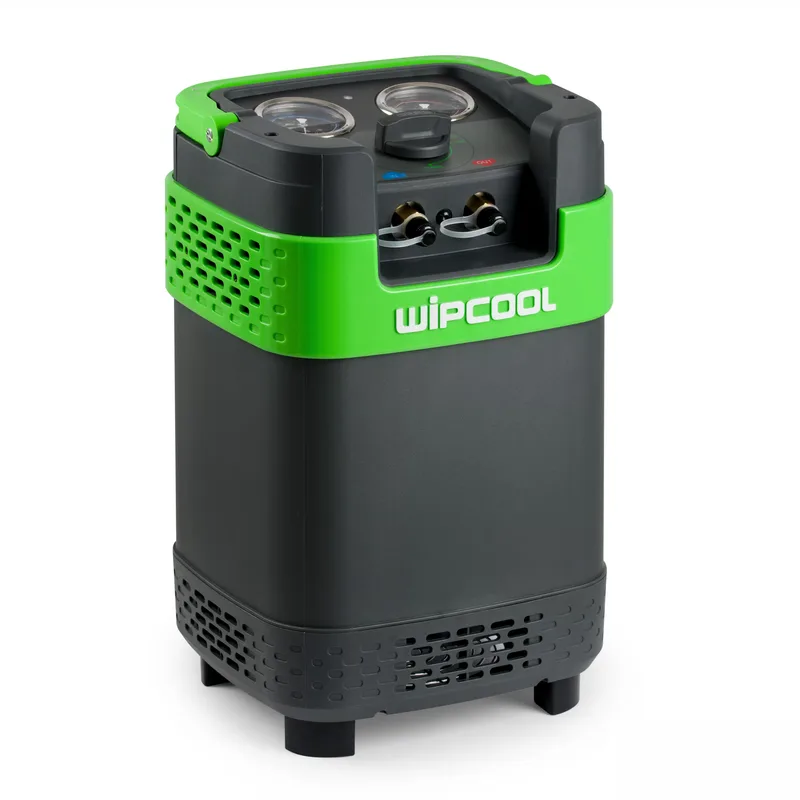
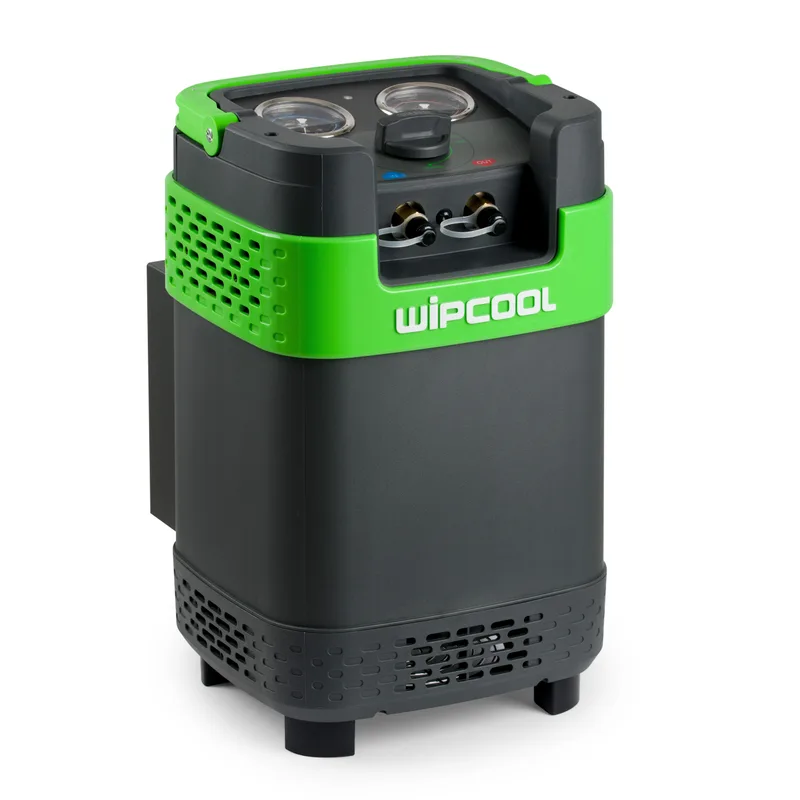
The MRM55 recovery machine has an upright housing, pressure gauges on top of the housing and a PURGE self-purging function. At 9.5 kg it is easy to take to jobs on split systems. The MRM55os has the same recovery rates, upright housing and PURGE self-purging, plus a built-in oil separator.
MRM75 and MRM75os – higher recovery rates
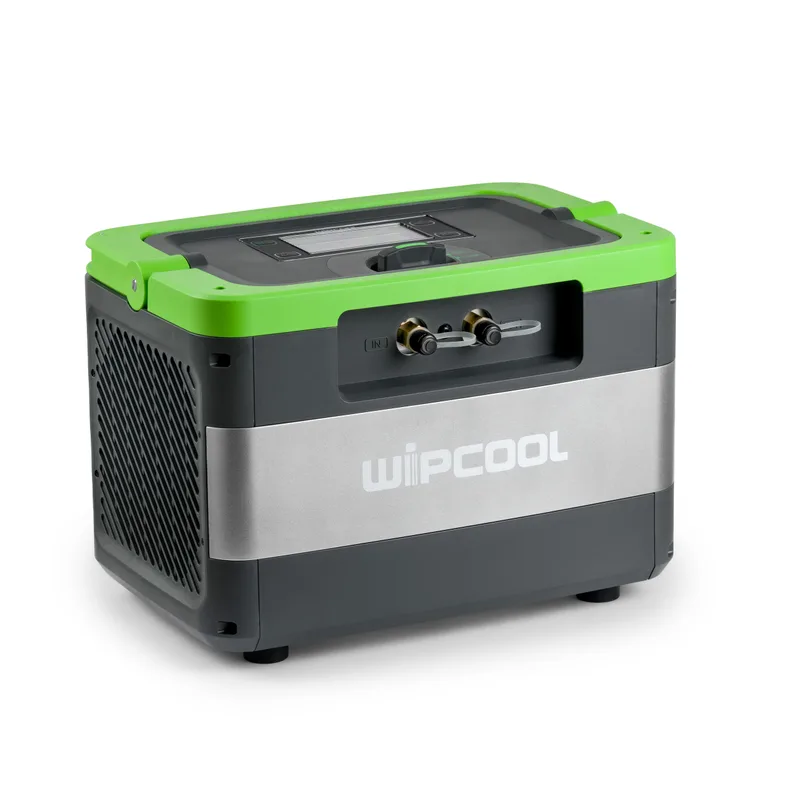
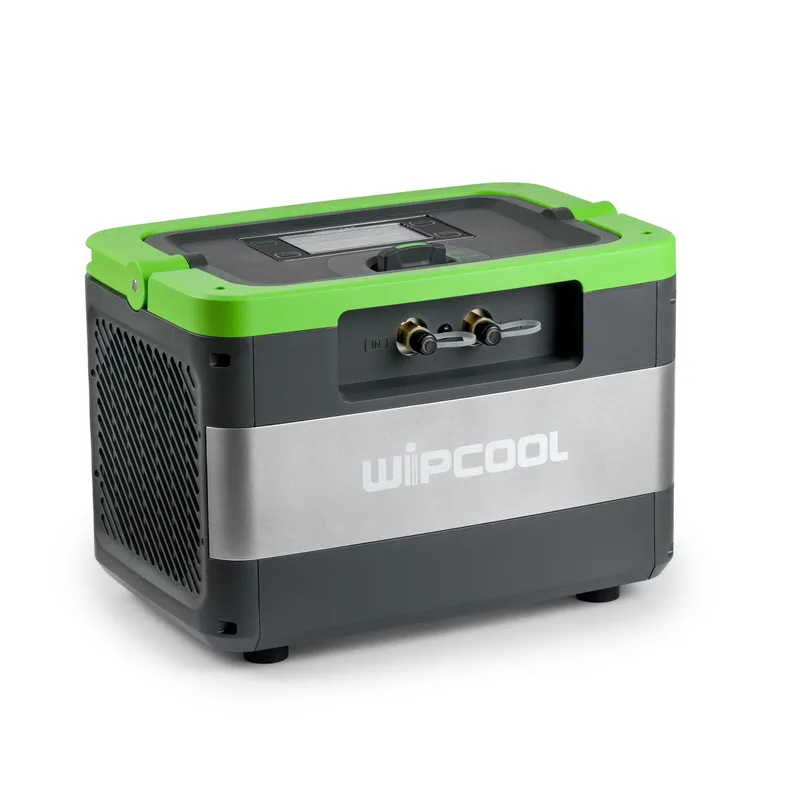
The MRM75 has a twin-piston compressor, a 970 W motor, a digital pressure display, PURGE self-purging and LP1 and LP2 modes. For group V refrigerants it recovers liquid at up to 3.9 kg/min, and up to 10.5 kg/min using Push/Pull, which shortens the job on systems with a large refrigerant charge. The MRM75os combines the twin-piston compressor and digital pressure display with a built-in oil separator.
Accessories for safe recovery
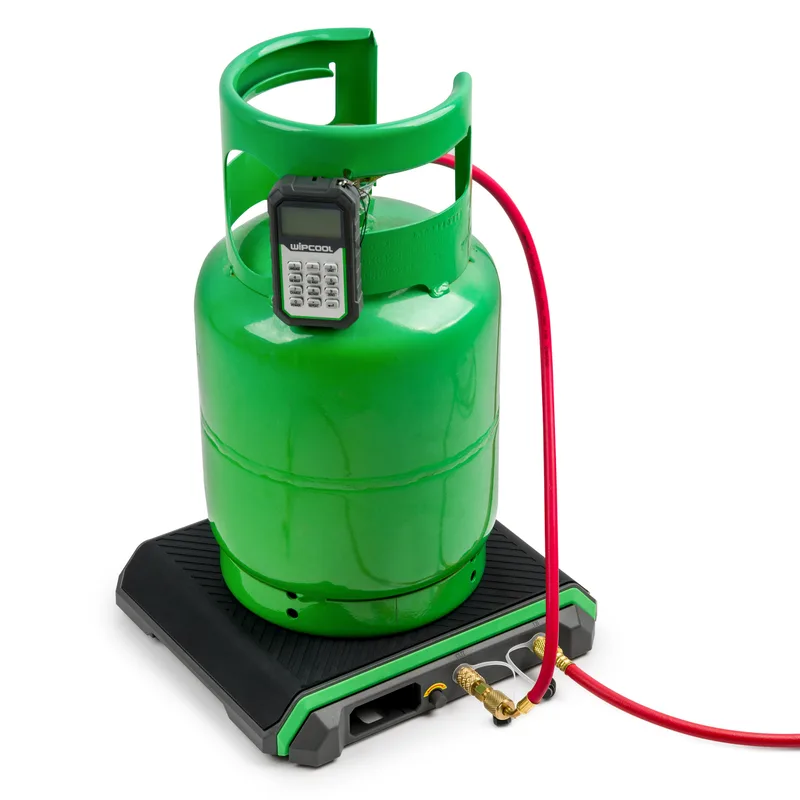
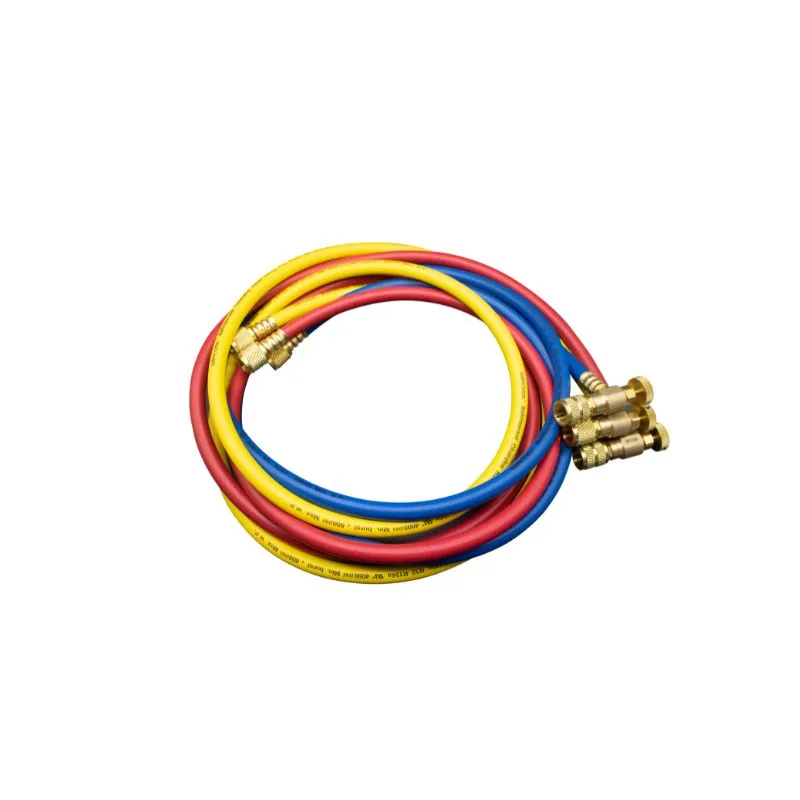
During recovery, what matters is controlling the refrigerant mass in the cylinder and limiting losses when connecting the hoses. The MRS120 charging scale has a 120 kg capacity, 8 g resolution, ±0.05% accuracy, a solenoid valve and a Bluetooth remote, so you can use it for charging and recovery with mass control; the smallest charging and recovery amount is 50 g. With A2L refrigerants it works normally, while with class A3 refrigerants it works in manual mode – it then does not shut off the flow itself, but gives an audible signal when the set mass is reached. The MRH-2SV charging hoses are a set of three 180 cm hoses with 1/4" connections, 55 bar working pressure and shut-off valves that let you disconnect a hose with less refrigerant loss. On R410A and R32 units the service valves usually have a 5/16" thread, so you need an adapter for these hoses.
It is also worth monitoring pressures during recovery on pressure gauges – we cover the choice between digital and analogue versions in our guide Digital or analogue pressure gauge.
How to carry out safe recovery
Refrigerant recovery may only be carried out by a person holding an F-Gas certificate, and the recovered refrigerant goes into a cylinder intended for recovery, not into a disposable cylinder that held new refrigerant. Below is the sequence of steps for typical recovery with an MRM series machine.
- Prepare the recovery cylinder
Check the cylinder test date and weigh it before connecting. The fill limit is based on the refrigerant mass, not on the cylinder volume or gross weight, because each refrigerant has a different liquid density. The permissible fill mass is stated on the cylinder rating plate.
- Connect the hoses and remove air from them
The hose from the system service valve goes to the machine inlet, and the machine outlet goes to the cylinder. Remove air from the hoses with a vacuum pump before opening the valves, not by purging with refrigerant – venting refrigerant to atmosphere is prohibited.
- Start with liquid, finish with vapour
In a system containing liquid, recover the liquid first and only then draw off the remaining vapour. Above 10 kg of liquid refrigerant, the Push/Pull method shortens the job. On small systems with practically no liquid, vapour recovery alone is enough.
- Monitor the mass in the cylinder throughout
A charging scale with a solenoid valve stops filling automatically. Without one, you must watch the reading yourself and stop recovery before the cylinder exceeds 80% of its capacity.
- Purge the machine when finished
Run the purge function so that no refrigerant remains in the machine and hoses before the next job. Residues of the previous refrigerant mix with the next one and make the recovered gas unusable.
Caution A2L refrigerants such as R32 or R1234yf are mildly flammable. Work in a ventilated area free of ignition sources, and make sure all equipment – recovery machine, scale and hoses – is designed for use with that refrigerant. The machine user manual gives the detailed procedure.